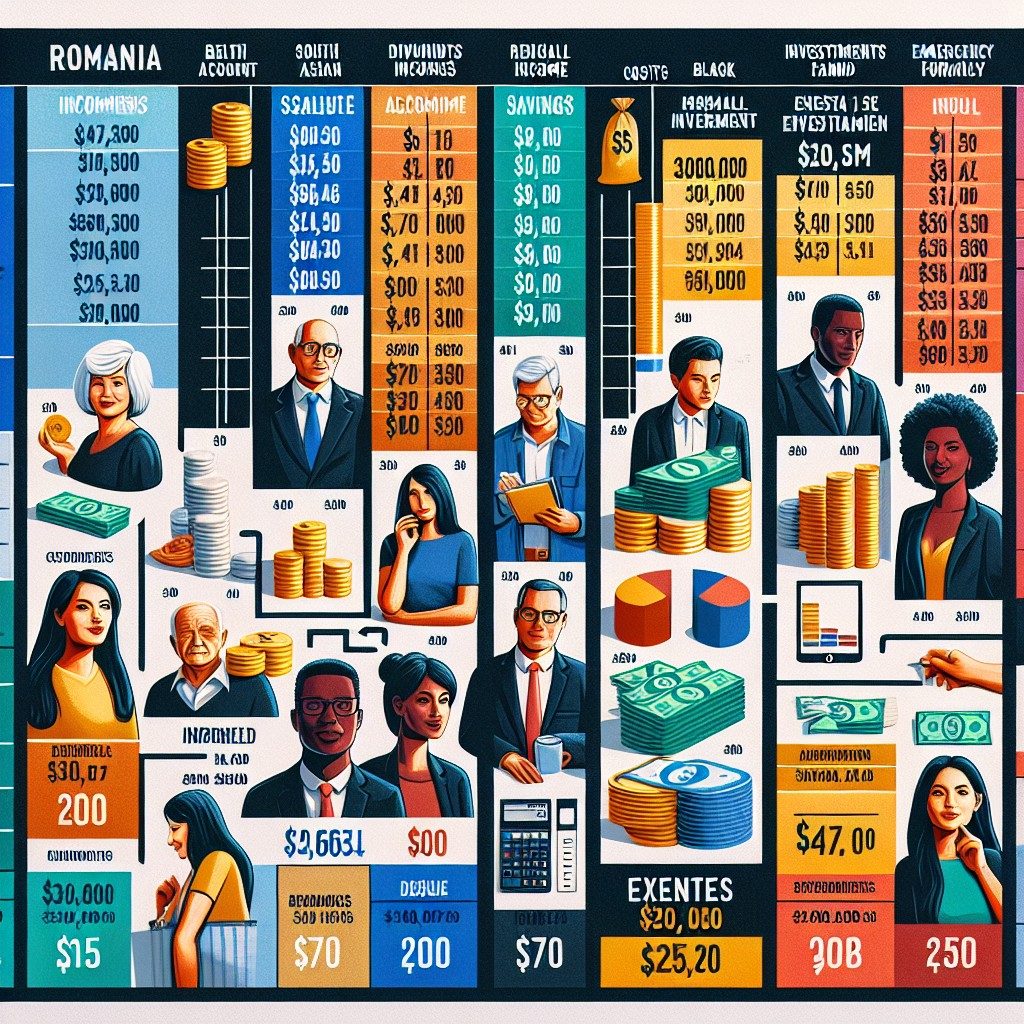
As Romania approaches the fiscal year 2026, residents and policymakers alike are focusing on creating a practical and sustainable monthly budget that reflects current economic realities. Understanding the challenges and opportunities in the national economy is essential for constructing an effective budget plan that balances expenses and savings.
Current Economic Overview in Romania
Romania’s economy, characterized by steady GDP growth in recent years, is now facing a complex mix of inflationary pressures and evolving labor market dynamics. Inflation rates remain a concern, influencing household purchasing power and cost of living across urban and rural areas. Wages have shown moderate increases, but not always in line with rising consumer prices, prompting a closer look at household budgeting measures for 2026.
Key Expenses Impacting the 2026 Budgeting in Romania
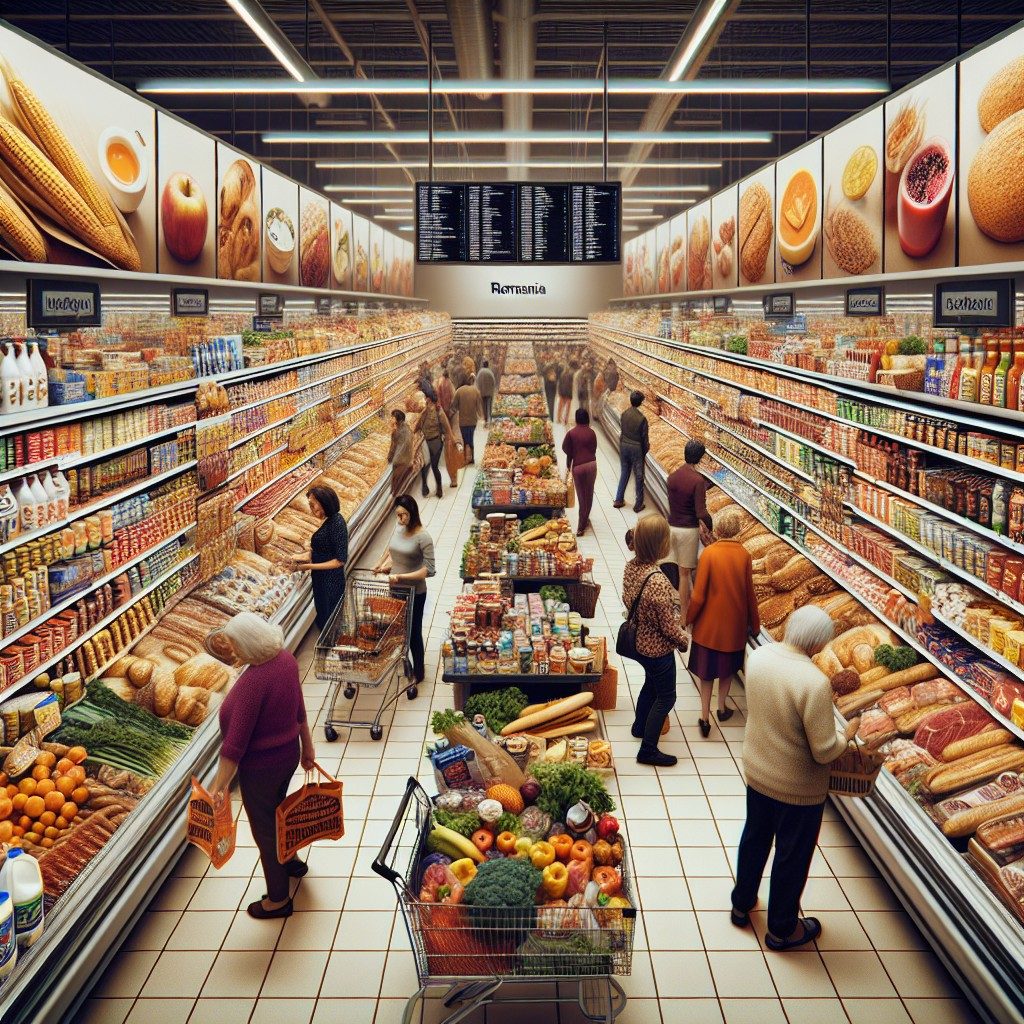
Essential costs such as housing, utilities, food, and transportation dominate monthly expenses for Romanian families. Housing costs have seen an uptick, especially in larger cities like Bucharest and Cluj-Napoca, due to increasing demand and urbanization trends. Utility prices, partially influenced by global energy markets, contribute significantly to household budgets. Food prices have also fluctuated, affected by both domestic production and imports, requiring families to carefully allocate funds to maintain nutritional needs.
Income Considerations and Disposable Income Levels
Average net salaries across Romania continue to vary by region and industry sector. While urban employment opportunities offer higher wages, rural areas may see lower income levels, affecting overall budgeting strategies. The Romanian government’s fiscal policies and upcoming social welfare adjustments in 2026 will play critical roles in shaping disposable income and consumer confidence.
Strategies for a Realistic Monthly Budget
Creating a realistic monthly budget involves assessing fixed and variable expenses while accounting for inflation trends and potential income changes. Romanian households are encouraged to prioritize essential costs and identify areas to reduce discretionary spending. Incorporating savings for emergencies and future investments is equally vital. Reliable data from financial authorities and economic forecasts assist in forming budgeting frameworks that reflect plausible scenarios for 2026.
Role of Government and International Institutions in 2026 Budgeting
The Romanian government continues to collaborate with international institutions to stabilize the economy and promote sustainable growth. Initiatives aimed at supporting vulnerable populations and boosting employment rates are part of the broader financial landscape influencing 2026 budgeting frameworks. Additionally, guidance from global financial organizations helps ensure that budget plans remain realistic and adaptable to changing circumstances.
Overall, 2026 budgeting for Romania requires a balanced approach that accounts for economic fluctuations, regional disparities, and governmental policy shifts. As 2026 unfolds, continuous monitoring and adjustment will be imperative for both individuals and institutions to maintain financial health and economic stability.
Frequently Asked Questions about 2026 budgeting
What factors should Romanian households consider in 2026 budgeting?
Households should consider inflation rates, changes in income, housing and utility costs, as well as food and transportation expenses when planning their 2026 budgeting.
How do government policies affect 2026 budgeting in Romania?
Government policies on social welfare, taxation, and employment significantly impact disposable income levels, influencing how Romanian households manage their 2026 budgeting.
Where can individuals find reliable data for 2026 budgeting in Romania?
Reliable data can be sourced from national statistics agencies, the International Monetary Fund, and the Organisation for Economic Co-operation and Development, all providing updated economic indicators relevant to 2026 budgeting.
Is it advisable to include savings in the 2026 budgeting plan?
Yes, including savings for emergencies and future investments is recommended to ensure financial resilience amid economic uncertainties.
How often should Romanians review their 2026 budgeting plan?
Regular reviews, at least quarterly, are advisable to adjust the 2026 budgeting plan based on changing income, expenses, and economic conditions.