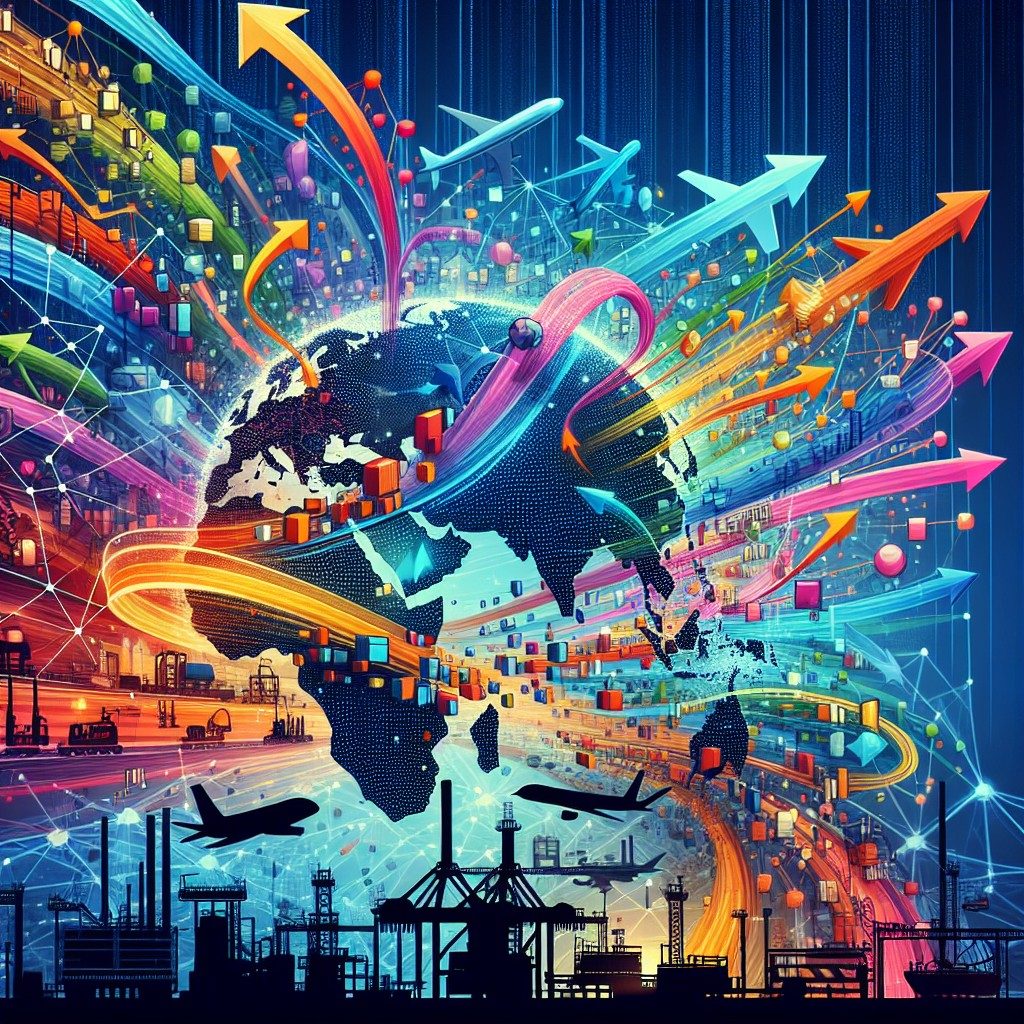
Recent adjustments in trade policy frameworks across major economies are influencing the global economic landscape by altering cost dynamics for businesses and consumers alike. These new rules have had far-reaching impacts, affecting supply chains, tariff structures, and market access in significant ways.
Changes in Tariff Regulations and Their Impact
One of the most prominent aspects of evolving trade policy involves modifications to tariff regulations. Countries are revising tariff rates in response to shifting geopolitical ties and economic strategies. These changes directly affect the cost of imported goods, increasing expenses for manufacturers relying on raw materials from abroad and ultimately influencing consumer prices. For example, recent tariff hikes on steel and aluminum have raised production costs in multiple industries, compelling companies to adjust their pricing structures.
Supply Chain Disruptions and Adaptations
The introduction of new trade policies has disrupted established supply chains by imposing additional documentation, compliance requirements, and border checks. Such developments have led to longer lead times and increased logistical costs. Firms are responding by diversifying sourcing strategies and relocating production closer to end markets to mitigate risk. These adjustments, however, entail further expenses, which contribute to higher final product prices worldwide.
Currency Volatility and Trade Policy Interactions
Trade policy reforms often interact with currency markets, influencing the cost stability of international transactions. Shifts in regulatory environments can affect investor confidence and currency valuations, impacting import and export pricing. Countries experiencing accelerated currency depreciation face amplified costs on imported goods, which compounds the effects of new trade tariffs or restrictions, creating a multifaceted challenge for businesses engaged in global trade.
Impact on Emerging and Developing Economies
Emerging markets are particularly vulnerable to the ripple effects of changing trade policies. Many rely heavily on exports, and sudden alterations in trade agreements or tariff structures may disrupt their economic growth. Additionally, increased costs associated with importing essential intermediate goods can slow down industrial advancement. Despite these challenges, some developing countries are leveraging new trade policies to negotiate more favorable terms, aiming to attract foreign investment and stimulate local industries.
Prospects for International Trade Relations
New trade policies reflect broader shifts towards protectionism in certain regions, yet there are parallel efforts to establish cooperative agreements and reduce trade barriers among others. These contrasting dynamics create a complex global environment where cost structures continue to evolve. Businesses must navigate this landscape carefully, monitoring policy developments to forecast cost implications. Observers predict that trade policy will remain a crucial factor shaping global economic costs in the foreseeable future.
Frequently Asked Questions about trade policy
How do trade policy changes affect global prices?
Trade policy changes often lead to adjustments in tariffs and regulations, which can increase or decrease the cost of imported and exported goods, thereby affecting global prices.
Why is trade policy important for businesses?
Businesses depend on stable trade policy to plan supply chains and pricing strategies; unpredictable changes can increase operational costs and impact competitiveness.
Can trade policy influence currency markets?
Yes, alterations in trade policy can affect investor confidence and currency valuations, which in turn influence trade costs and international transaction pricing.
How do emerging economies cope with shifting trade policy rules?
Emerging economies may experience disruptions but also seek to leverage new trade policies for better negotiation terms and attract foreign investment.
What future trends can be expected in trade policy?
Future trade policy trends may include a mix of protectionism and cooperation efforts, with ongoing impacts on global cost structures and supply chain adaptations.